How can B2B companies make their content visible in AI answer engines like SGE, ChatGPT, and Perplexity?
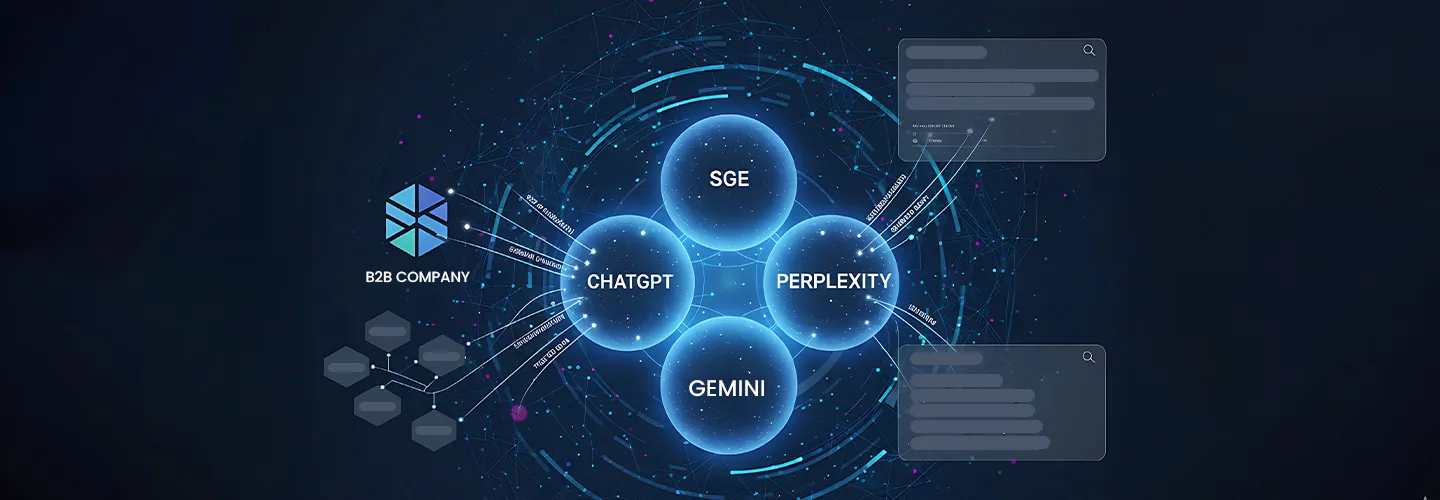
AI answer engines like Google SGE, ChatGPT, Perplexity, and Claude are rewriting how B2B buyers discover solutions, and your SEO must adapt, or your content will disappear from the consideration stage.
This guide shows exactly how founders and marketers can reshape content, structure, and authority to win visibility in an AI-first search world.
Context: What Most Teams Get Wrong
Most B2B teams think AI answer engines are just “another channel.” They are not.
They are rewriting how answers are extracted, not how websites rank.
Common mistakes we see:
- Optimizing only for traditional rankings, not answer extraction
- Publishing long articles that don’t fit AI’s summarization style
- No entity clarity, AI can’t understand what you do
- Weak topical depth, AI won’t consider you an expert source
- Over-reliance on keywords, AI engines work on concepts, relationships, and authority, not repetition
Truth:
If your content isn’t scannable, fact-rich, and structurally clear, AI engines skip you, even if your rankings look fine.
Core Insight: The AI Answer Engine Optimization Framework (AEO Framework)
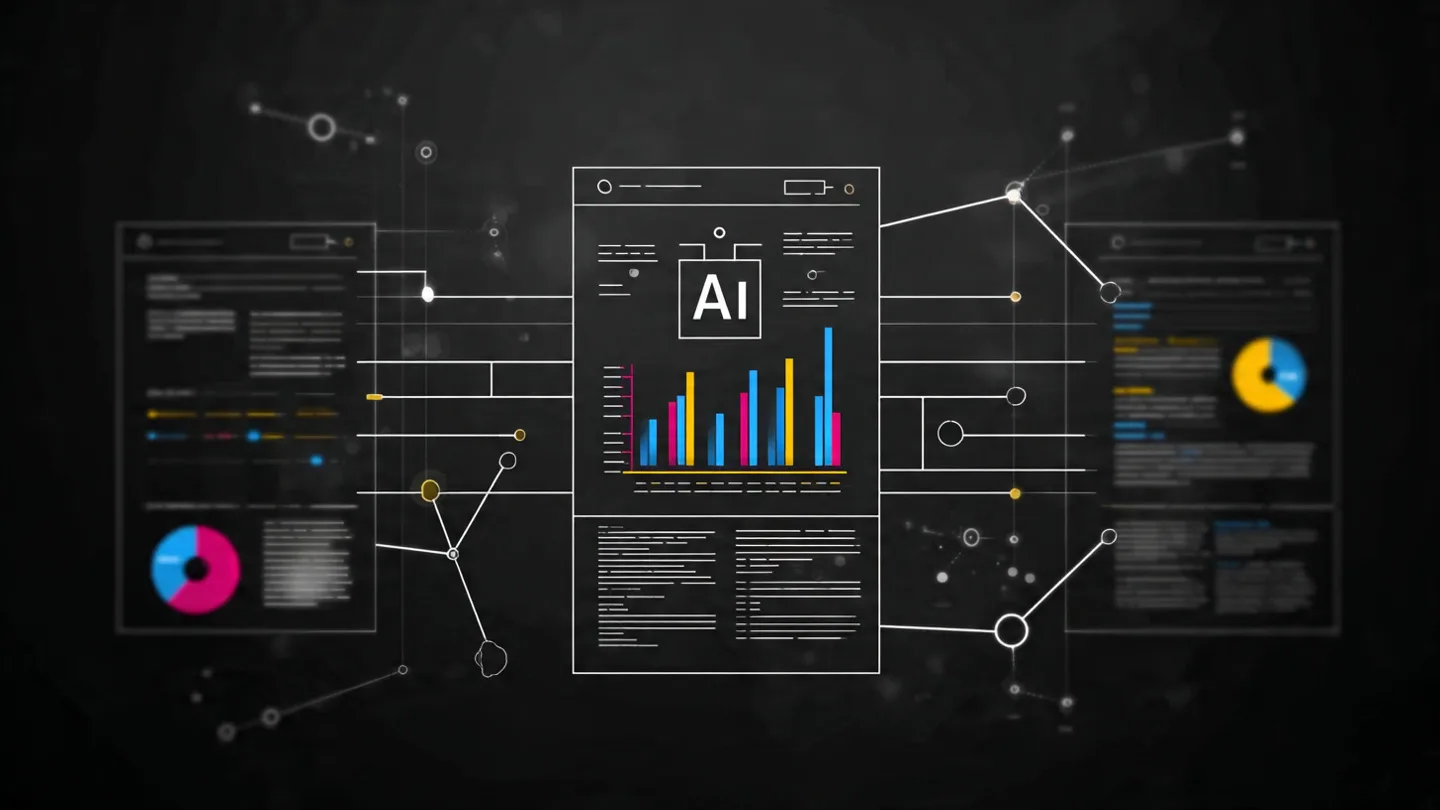
AI answer engines extract answers using three signals:
1. Content Clarity
AI needs clean, structured, direct answers.
This means:
- Answer-first paragraphs
- Clear definitions
- Q&A blocks
- Precise headers
- Data-backed lines
2. Entity Authority
AI engines care more about who you are than how long your blogs are.
You need:
- Strong About page
- Clear product/entity map
- Consistent brand mentions
- Author expertise signals
- External citations
3. Topical Depth
SGE & AI models prefer sites that cover a topic thoroughly.
This means:
- Clusters
- Interlinked guide
- Real examples
- Multiple angles solved
When these three come together, you become the source AI trusts and quotes.
For a SaaS-focused breakdown of AEO, explore our guide on ensuring your SaaS content is cited in AI answers.
How AI Answer Engines Differ from Traditional Search
| Feature | Traditional Google | AI Answer Engines (SGE/ChatGPT/Perplexity) |
|---|---|---|
| Ranking logic | Page ranking | Sentence/section extraction |
| Content need | Keyword relevance | Factual clarity + structure |
| Best format | Long, detailed blogs | Short, explicit answers within blogs |
| Trust metric | Backlinks | Entity authority + citations |
| User behavior | Clicking | Consuming inline answers |
| Optimization | SEO | AEO (Answer Engine Optimization) |
Real-World Example
Old SEO:
A blog on “How B2B cross-border payments work” ranks because it’s long and keyword-rich.
AI-first SEO:
A snippet like this gets extracted:
“B2B cross-border payments move funds from one country to another using correspondent banking, payment aggregators, or RTP rails. The process includes currency conversion, compliance checks, and settlement.”
This one clear answer chunk wins the AI placement; the long-form blog only supports it.
Industry validation:
Marketers in r/content_marketing also report that concise, structured explanations outperform long paragraphs when AI engines decide what to quote.
SEO in 2025: What’s Working Right Now
byu/AdClassic1215 incontent_marketing
Your B2B Brand Must Be AI-Readable Before It Can Be AI-Visible
AI answer engines aren’t guessing; they are extracting.
If you want your B2B brand to survive shrinking SERPs and AI-first search behavior, you need:
- structurally extractable content,
- entity signals AI can verify,
- and web-wide consistency that proves you are a legitimate expert source.
At Thrillax, we evaluate how clearly your expertise is expressed, how your brand is defined across the web, and where your current content fails to show up in AI summaries, reasoning chains, and high-intent responses.
If B2B teams want to grow in 2025–2026, the shift is simple:
Stop writing for rankings.
Start writing for retrieval.
Why This Matters Now (B2B Edition)
AI answer engines reward precision, not paragraphs.

- Zero-click experiences are reducing organic sessions but increasing high-intent visibility for brands with strong entity clarity.
- Traditional SEO still builds topical authority, but only when aligned with AI extraction rules.
- LLMs ignore brands with inconsistent metadata or unclear positioning.
- Definitions, data, frameworks, and examples determine whether AI pulls your content or your competitor’s.
SEOs in r/SEOgrowth are noticing the same shift, fewer clicks, more AI-led visibility, and a clear need for entities that AI can verify.
How will search rankings change as AI takes over more of Google’s features?
byu/OliverPitts inseogrowth
Your visibility in AI answers isn’t random.
It’s based on evidence, clarity, and verification.
You don’t fix this by publishing more blogs; you fix it by strengthening the content, entities, and signals that help AI trust you.
If you want to understand your current AI visibility gaps, your entity weaknesses, and your content extraction score, start with your real challenges.
FAQs
Because rankings ≠ retrieval. AI answer engines need:
- entity resolution
- factual clarity
- structured evidence
- clean definitions
- Q&A blocks
- citations
Without these, AI cannot extract or trust your content.
LLMs cross-check your brand using:
- Organisation schema
- Founder/executive metadata
- Industry directories (Clutch, Gartner, vendor databases)
- Social + PR consistency
- Old versions of your website
- Consistent product descriptions across the web
They trust consensus, not claims.
- Crawl latency
- Model refresh cycles
- Conflicting old data
AI prefers silence over contradiction.
Yes, if your founder names, product details, or descriptions differ across directories, PDFs, and mentions, AI treats you as a risk and avoids citing you.
Absolutely. LLMs rely on semantic triangulation, not just hyperlinks.
Unlinked mentions on:
- conferences
- comparison pages
- community posts
- vendor roundups
…are extremely valuable.
Yes. Vendor directories provide:
- structured metadata
- feature breakdowns
- pricing tables
- verified details
They are highly LLM-friendly.
Schema = your claim.
AI needs external validation.
Schema + external citations = visibility.
Check whether AI can: Summarise your services
- Correctly name your founder
- State your industry
- place you among your competitors
If not, your entity signals are incomplete.
Very well. API docs, product manuals, onboarding guides, and GitHub repos all provide structured, authoritative evidence.
It means they have:
- Stronger entity validation
- cleaner definitions
- more citations
- better documentation
- more consistent metadata
You can still outrank them, but not by publishing more content. You must fix structure + clarity + external evidence.