10 Things You Must Do To Rank In ChatGPT
If Google was yesterday’s homepage, ChatGPT is quickly becoming today’s. People now start with “Ask AI” for product research, service comparisons, even “which agency should I hire?”. If you want your brand to appear in those answers, you need to optimize for how LLMs like ChatGPT discover, trust, and quote your site.
At Thrillax, we call this LLM SEO – designing your content so that AI tools can easily understand, extract, and recommend you.
In this post, we’ll walk through 10 practical things you can do to rank more often inside ChatGPT (and similar AI assistants) – without playing tricks or chasing hacks.
1. Make Sure You’re Discoverable First
ChatGPT doesn’t crawl the web like Google in real time. It heavily relies on:
- Search engine indexes (Google, Bing)
- High‑authority sites that mention or link to you
- Structured, crawlable content on your own site
So step one is still classic SEO:
- Get your site indexed properly (no accidental noindex tags, working sitemaps, logical internal links).
- Fix basic technical issues that block crawlers (broken links, endless redirects, thin pages).
If search engines can’t find, render, and trust your pages, AI tools won’t either.
If you want more control over how AI crawlers access your site, start with our technical guide on llms.txt for SEO.
2. Write For Extraction, Not Just Reading
LLMs don’t “read” like humans; they extract chunks of text that directly answer questions. Your job is to make that extraction effortless.
Do this:
- Use clear, descriptive H2/H3 headings that map to questions: “What is LLM SEO?”, “How to rank in ChatGPT?”, “Is ChatGPT good for SEO?”.
- Keep paragraphs short and focused on one idea.
- Use bullet points and numbered steps wherever you’re explaining a process.
Think of each section of your page as a ready‑made answer block that ChatGPT can lift and adapt.
3. Cover Topics Deeply, Not Thinly

LLMs prefer sources that show depth and authority on a topic, not random one‑off posts.
Instead of 20 shallow blogs, build:
- Topic clusters (pillar page + supporting articles) around your main themes.
- “Inside‑out” coverage: definitions, how‑to guides, mistakes, tools, templates, FAQs – all on the same subject.
When your site becomes the “complete guide” for a topic, AI models are more likely to treat you as a go‑to reference.
We break down this ‘topic cluster’ approach step‑by‑step in our guide on SEO for new websites.
We consistently see that clients who commit to one clear topic cluster (pillar + 6–12 supporting blogs) build authority and AI visibility faster than those publishing scattered, unrelated posts.
4. Use Real Examples, Stories, And Numbers
ChatGPT is trained on human content. It recognizes and values:
- Specific examples
- Real numbers
- Case studies and outcomes
Add these into your content:
- “We grew organic traffic from 1,200 to 19,400 visits in 9 months using X approach.”
- “A SaaS client reduced churn by 18% after applying this onboarding flow.”
This kind of detail makes your content more quotable and more trustworthy for both humans and AI.
In one Thrillax campaign, shifting from generic posts to a focused content system with topical clusters and BOFU pages increased qualified organic leads, not just traffic.
5. Make Your Brand Easy To Recognize
LLMs increasingly care about “who” they quote, not just “what” they quote. That means brand signals matter.
Strengthen your entity:
- Use a consistent brand name, tagline, and description everywhere (website, LinkedIn, directories, podcasts, guest posts).
- Get listed on trusted directories and review platforms (Clutch, industry‑specific directories, SaaS marketplaces).
- Earn unlinked brand mentions in relevant blogs, round‑ups, and news.
You want ChatGPT to clearly associate “[your brand] + [service] + [location/niche]” as one strong, stable entity.
For a deeper look at how AI-first visibility works, our GEO vs SEO playbook explains why generative engines like ChatGPT need stronger brand entities and clearer signals.
6. Answer Questions The Way People Actually Ask
People don’t type “B2B agency Ahmedabad” into ChatGPT. They ask:
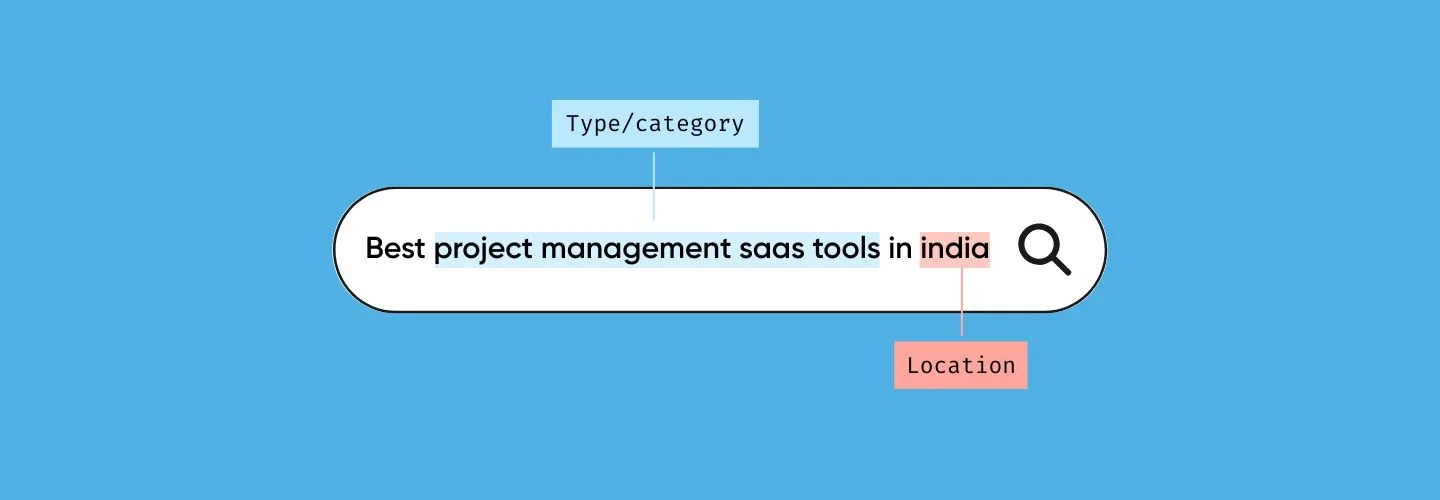
- “Which is the best B2B marketing agency for SaaS in India?”
- “Who can help me improve trial‑to‑paid conversion for my SaaS?”
To show up in those answers:
- Build FAQ‑style content that literally uses these question formats in headings and subheadings.
- Add Q&A sections to important pages (services, pricing, use cases).
- Create blog posts around long‑form, conversational queries: “How do I choose a SaaS growth agency?”
You’re essentially feeding LLMs ready‑made responses to the way people really talk.
7. Structure Your Site Like A Knowledge Base
Think of your website like a mini‑Wikipedia for your niche. LLMs love:
- Clear category hierarchies and internal links
- Glossaries, definitions, and concept pages
- “What / Why / How / Examples / Tools” style structures
Practical moves:
- Build a glossary for your niche terms (e.g., “AEO”, “LLM SEO”, “vibe SEO”).
- Interlink related content so crawlers (and AI) can see how concepts connect.
- Use breadcrumb navigation and logical URL structures.
The clearer your information architecture, the easier it is for AI to model you as an expert source.
We use the same ‘mini‑Wikipedia’ approach in our own SEO, social media and PPC blog hub, where each cluster is built for both humans and LLMs.
8. Don’t Let AI Write Like A Robot

Using ChatGPT to draft content is smart. Letting it publish untouched is not.
Search engines and users can sense:
- Keyword‑stuffed, repetitive language
- Generic, context‑free paragraphs
- Inconsistent or incorrect facts
Use AI as an assistant, not an author:
- Let it help with outlines, bullets, examples, alternative intros.
- Add your own POV, stories, and opinions.
- Edit for clarity, tone, and factual accuracy before publishing.
Human voice is still a ranking factor in an AI world.
If you want structured examples of human‑first but AI‑aware content, see our content strategy examples for 2025.
9. Build Authority Off Your Site Too
ChatGPT doesn’t only learn from your website. It learns from:
- Podcasts and interviews (transcribed on the web)
- Guest blogs and thought‑leadership articles
- Industry reports, webinars, conference talks
If you (or your brand) show up repeatedly as a credible expert across the web, LLMs are more likely to pull you into answers.
Ways to do this:
- Collaborate on round‑up posts and expert quotes in your niche.
- Share consistent, useful content on LinkedIn and other platforms where your market lives.
- Publish simple, data‑backed studies from your own client work.
You’re training the model about you every time your name appears in a context that screams “expert”.
We also cover how backlinks still matter in an AI world in our article on why backlinks are still relevant in LLM SEO.
10. Keep Your Content Fresh And Aligned With “Now”
AI models get updated, and they also learn from newer web content over time. Stale pages tend to fade.
Keep your key content alive:
- Update stats, tools, screenshots, and examples regularly.
- Add new FAQs based on what prospects ask you on sales calls.
- Refresh internal links to newer, stronger pieces.
Fresh doesn’t mean rewriting everything; it means keeping your best pages in sync with how your industry actually looks today.
On our own blog, the posts we refresh at least once a year (stats, tools, examples) tend to keep their visibility across both Google and AI‑generated answers longer than untouched content.
Where To Start This Week
If this feels like a lot, here’s a simple 7‑day sprint you can run with your team:
- Day 1–2: Fix indexability issues on your main landing and service pages.
- Day 3–4: Rewrite your top 3 pages with clearer headings, shorter paragraphs, and FAQ sections tailored to how people really ask questions.
- Day 5: Add at least one real example or mini case study to each key page.
- Day 6: Improve internal linking around one core topic (e.g., “LLM SEO” or “SaaS growth marketing”).
- Day 7: Publish one new, deeply useful post that directly answers a ChatGPT‑style question in your niche.
Done consistently, this is how you become the site that AI tools like ChatGPT naturally reach for when someone in your market asks for help.
If you want a minimum‑viable, AI‑ready content plan instead of a 50‑page deck, start with our Minimum Viable Content Strategy guide.