Restaurant Discovery Apps Are Changing, But the Bigger Story Is About Human Behavior
Executive Summary
Restaurant discovery apps are entering a new phase. While Zest is using real dining behavior to recommend restaurants and Swiggy’s Toing is focusing on affordability, both highlight a much larger shift happening across technology products. The companies winning today are not simply building better features. They are finding better ways to influence how people discover, trust, choose, and return.
Why This Matters
Finding a restaurant should be simple.
Yet most people spend more time deciding where to eat than actually placing the order.
We open Google Maps.
We check reviews.
We browse Instagram.
We search Reddit.
We ask friends.
Sometimes we even ask ChatGPT.
And despite all that information, we’re often still unsure.
The problem is not a lack of information.
The problem is trust.
The internet has become incredibly good at generating opinions.
What it still struggles with is understanding actual behavior.
That is what makes the launch of Zest interesting.
Not because it is another restaurant discovery app.
But because it represents a different way of thinking about recommendations.
And if we look closely, it also reveals something much bigger about how startups are being built today.
What Is Zest?
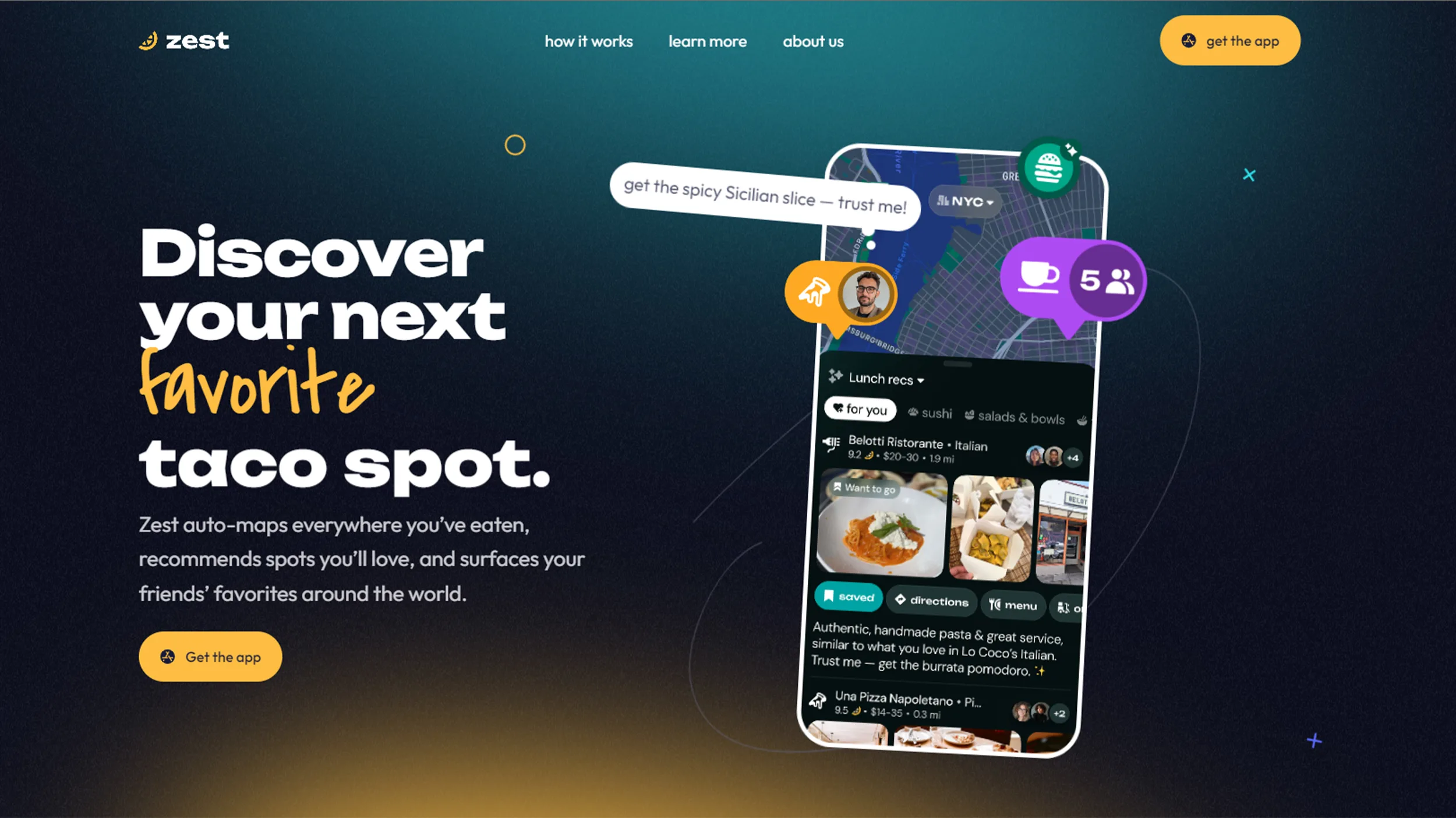
Zest is a restaurant discovery app that uses actual dining behavior to generate recommendations.
Instead of asking users to create lists, write reviews, or rate restaurants, the platform connects to transaction data and identifies where people genuinely spend money.
The thinking is simple.
If someone visits the same coffee shop every week, that tells us something.
If hundreds of people repeatedly return to the same neighborhood restaurant, that tells us something too.
Those actions may reveal more than a five-star review ever could.
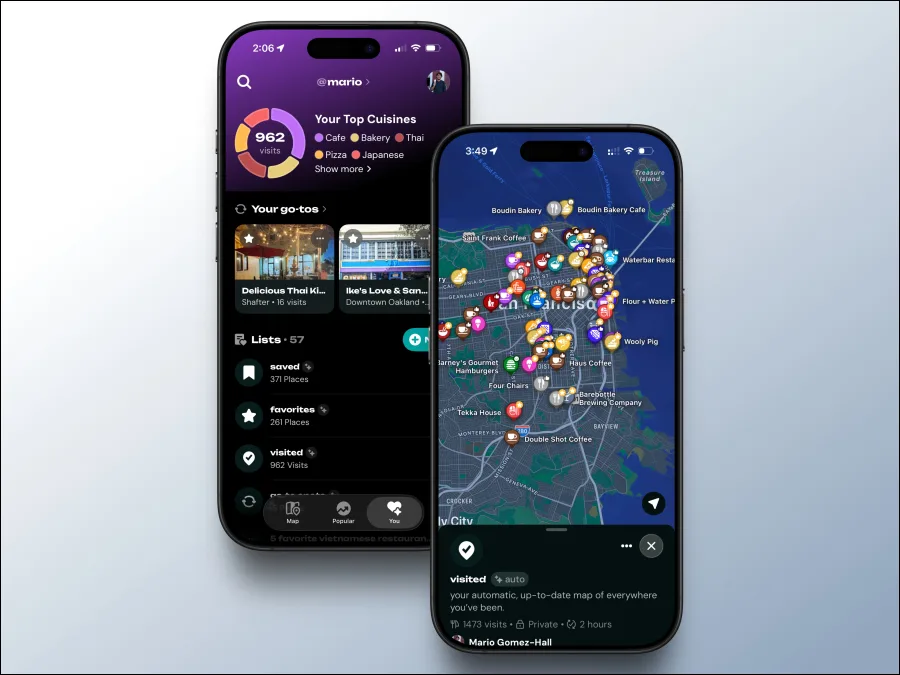
In other words, Zest is trying to build recommendations based on behavior rather than opinions.
That is a subtle shift.
But potentially a powerful one.
The Problem With Traditional Restaurant Discovery
Most restaurant discovery platforms rely heavily on signals that are easy to manipulate.
Reviews Tell Part of the Story
Reviews remain useful.
But they are incomplete.
Most customers never leave one.
Others only leave reviews when they are extremely happy or extremely disappointed.
That means the data is often biased toward extremes.
Social Media Rewards Visibility
Instagram and TikTok have transformed restaurant marketing.
Today, a restaurant can become famous because it looks great on camera.
That does not necessarily mean people return after their first visit.
Visibility and loyalty are not always the same thing.
Hidden Gems Remain Hidden
Many exceptional local restaurants have weak digital marketing.
They do not hire creators.
They do not run campaigns.
They simply serve good food consistently.
Unfortunately, many discovery platforms struggle to surface those businesses.
The Restaurant Industry Is Splitting Into 3 Different Markets
One reason this story matters is because it highlights how the market is evolving.
Not every company is solving the same problem anymore.
| Discovery: Zest |
Zest is helping customers answer one question: “Where should I eat?” Its focus is finding relevant recommendations based on real-world behavior. |
| Convenience: Swiggy and Zomato |
Food delivery giants solve a different problem. “How quickly can I get food?” Their strength is logistics, availability, and user experience. |
| Affordability: Toing |
Swiggy’s Toing is attacking another challenge entirely. “How can I get food without paying extra?” Its recent campaign focuses on:
Instead of competing on discovery, Toing is competing on affordability. |
That is a completely different positioning strategy.
Why Toing Deserves More Attention
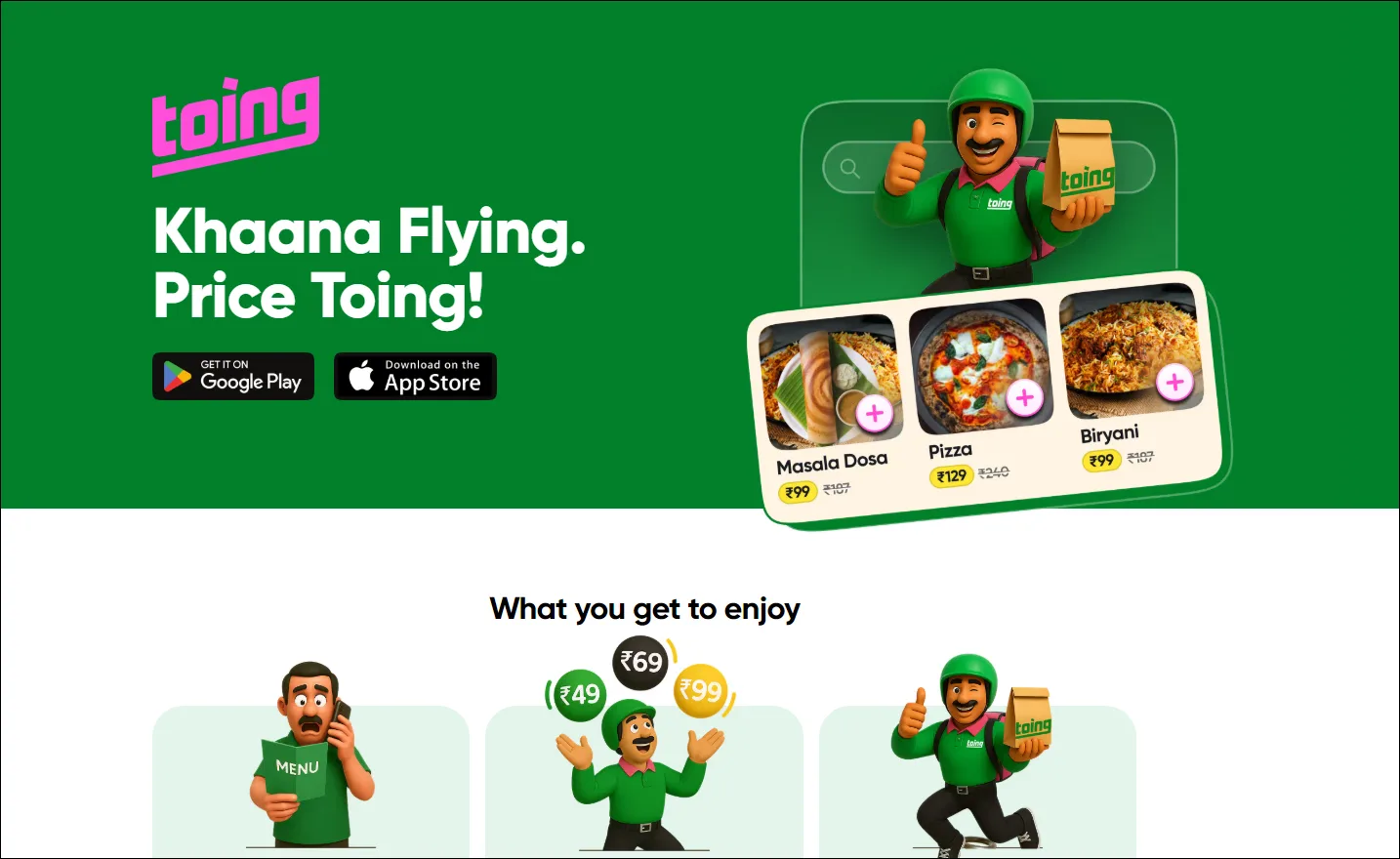
At first glance, Toing looks like another food delivery app.
But the positioning is actually quite interesting.
For years, food delivery companies competed primarily on convenience.
Fast delivery.
More restaurants.
Better app experience.
Today, affordability is becoming a category of its own.
Consumers are increasingly aware of additional costs.
Platform fees.
Packaging fees.
Service charges.
Toing’s entire value proposition is built around removing those frustrations.
That tells us something important.
Customer priorities are evolving.
And companies that understand those shifts early often create entirely new categories.
What Startup Founders Should Notice
Most people reading these stories focus on the product.
We think the more interesting discussion is around distribution.
Building a restaurant discovery app is relatively straightforward today.
Building a habit is much harder.
Users already have:
- Google Maps
- Swiggy
- Zomato
- ChatGPT
Every new startup entering this market faces the same question:
Why should someone open your app first?
That is the real challenge.
Zest answers it through behavioral data.
Toing answers it through pricing.
Swiggy answers it through convenience.
Each company is creating a unique reason to exist.
And that lesson applies far beyond restaurants.
The Biggest Startup Mistake We See
Many startups spend months discussing features.
Customers rarely make decisions based on features alone.
Customers make decisions based on clarity.
They want answers to simple questions:
- Why should I care?
- Why should I switch?
- Why should I trust you?
The companies that win are often not the ones with the most functionality.
They are the ones that communicate their value most clearly.
The restaurant industry simply makes this easier to observe because the competition is so visible.
The same challenge exists in SaaS, fintech, AI products, healthcare platforms, marketplaces, and almost every other category.
A Simple Example
Imagine two restaurant startups launching today.
The first says:
“We use AI to recommend restaurants.”
The second says:
“We help you find restaurants that people actually return to.”
Technically, both products may work similarly.
But one idea is immediately easier to understand.
One creates curiosity.
One creates trust.
One creates a reason to try.
That difference matters.
Because users do not adopt products because they understand the technology.
They adopt products because they understand the outcome.
What We Would Ask If Zest Came To Us
One exercise we often do with founders is simple.
We stop talking about the product for a moment.
And we ask:
What job is the customer hiring this product to do?
Most founders answer with features.
Customers answer with outcomes.
For example:
Zest is not helping people discover restaurants.
It is helping people avoid disappointing dining decisions.
Toing is not helping people order food.
It is helping people avoid paying unnecessary charges.
Those are very different stories.
And stories are often more powerful than features.
The technology may be impressive.
But customers rarely buy technology.
They buy the result they want.
The Positioning Challenge Every Discovery Startup Faces
Imagine you’re building a restaurant discovery app today.
You’re not competing against another startup.
You’re competing against habits.
Your competitors are:
- Google Maps
- Zomato
- Swiggy
- ChatGPT
- Friends and family
That means the question isn’t:
“Is my product better?”
The question is:
“Is my product different enough to change behavior?”
This is where many startups struggle.
They launch with a better product.
But users don’t change habits for better.
They change habits for different.
Zest understands this.
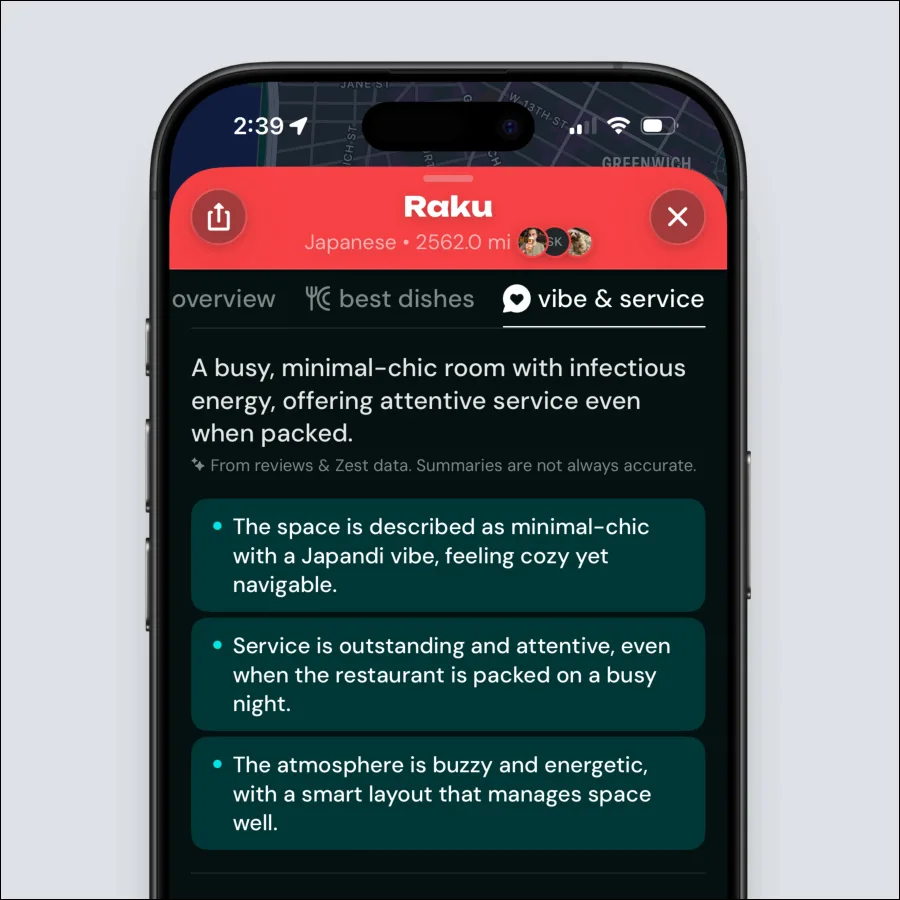
The product isn’t positioned as another review app.
It is positioned around a completely different signal:
Where people actually eat.
That positioning is doing as much work as the product itself.
The Opportunity Most Founders Miss
Most founders spend months building.
Very few spend months defining.
Defining:
- What category they’re creating
- What behavior they’re trying to change
- What belief they’re selling
- Why the market should care
Yet these decisions often determine whether people remember the product.
The best startups are rarely the easiest to build.
They are the easiest to explain.
When someone hears the idea, they instantly understand why it matters.
That clarity is often a bigger competitive advantage than another feature release.
The Real Asset Is Not The Product
One thing stands out when comparing Zest and Toing.
Neither company is really selling software.
They are selling a belief.
Zest says:
“We’ll help you discover places worth returning to.”
Toing says:
“We’ll help you pay less for the same food.”
The technology supports the promise.
It is not the promise itself.
Many startups get this backwards.
They spend years improving the product while struggling to explain why the product matters.
The strongest businesses usually do the opposite.
They create clarity first.
Then they build around it.
What Restaurants Should Learn From This
Restaurant owners can learn something valuable from these trends.
Customers no longer discover restaurants through a single channel.
Today discovery happens through:
- Google Search
- Google Maps
- TikTok
- ChatGPT
- Food delivery apps
- Discovery platforms
Every platform influences a different stage of the decision.
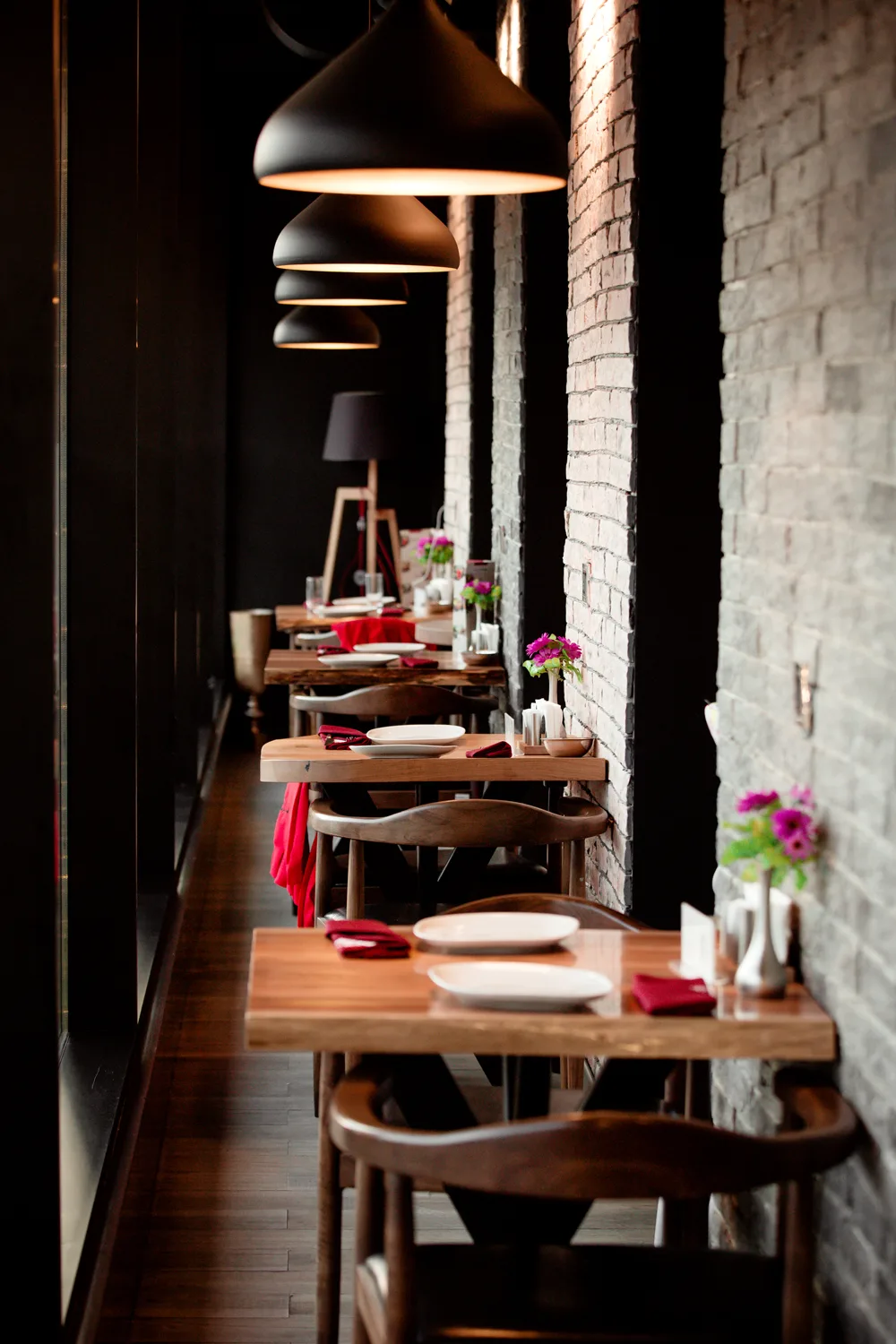
That means restaurants need stronger signals than visibility alone.
They need:
- Trust
- Repeat customers
- Positive experiences
- Memorable service
- Consistent quality
Because the strongest marketing signal has always been the same.
People coming back.
The Bigger Question
For years, digital marketing focused on helping businesses get attention.
The next phase may be about helping businesses earn repeat attention.
Because reviews can be written once.
Ads can be clicked once.
Downloads can happen once.
But loyalty only happens when the experience is worth repeating.
As platforms like Zest, Toing, Swiggy, Zomato, and future AI-powered discovery engines continue to evolve, one question becomes increasingly important:
When technology gets better at understanding human behavior, will the winners be the companies with the best products, or the companies that understand why people choose them in the first place?
That may be the real story behind restaurant discovery.