The Attention Trap: Why More Information Isn’t Helping Your Business

The Paradox of Plenty
More information is not making businesses smarter. In many cases, it is making decision-making harder. The companies that stay focused are often not the ones consuming the most advice, but the ones filtering it the best. In a world full of AI tools, growth strategies, marketing frameworks, and constant updates, the real advantage may no longer be access to information. It may be the ability to ignore what doesn’t matter.
Why This Matters
A question has been sitting with us for some time.
Why do so many business owners feel more overwhelmed today than they did ten years ago?
On paper, things should be easier.
We have faster computers.
Better software.
AI assistants.
Analytics platforms.
Automation tools.
Unlimited access to knowledge.
Yet many founders, marketers, and business leaders feel stuck.

Not because they lack information.
Because they have too much of it.
Open LinkedIn for ten minutes and you’ll find:
- A new AI workflow
- A new SEO strategy
- A new growth framework
- A new productivity system
- A new prediction about the future
Everyone seems to have advice.
Everyone seems to have answers.
And yet many businesses are struggling with the same questions they were asking years ago.
Why?
Because information and clarity are not the same thing.
The Modern Business Problem Nobody Talks About
For most of business history, information was scarce.
If you wanted to learn something, you had to actively search for it.
Today information finds you.
Through social media.
Newsletters.
Podcasts.
Communities.
Videos.
AI tools.
Notifications.
The problem is not that these sources are bad.
The problem is that they compete for the same thing.
Your attention.
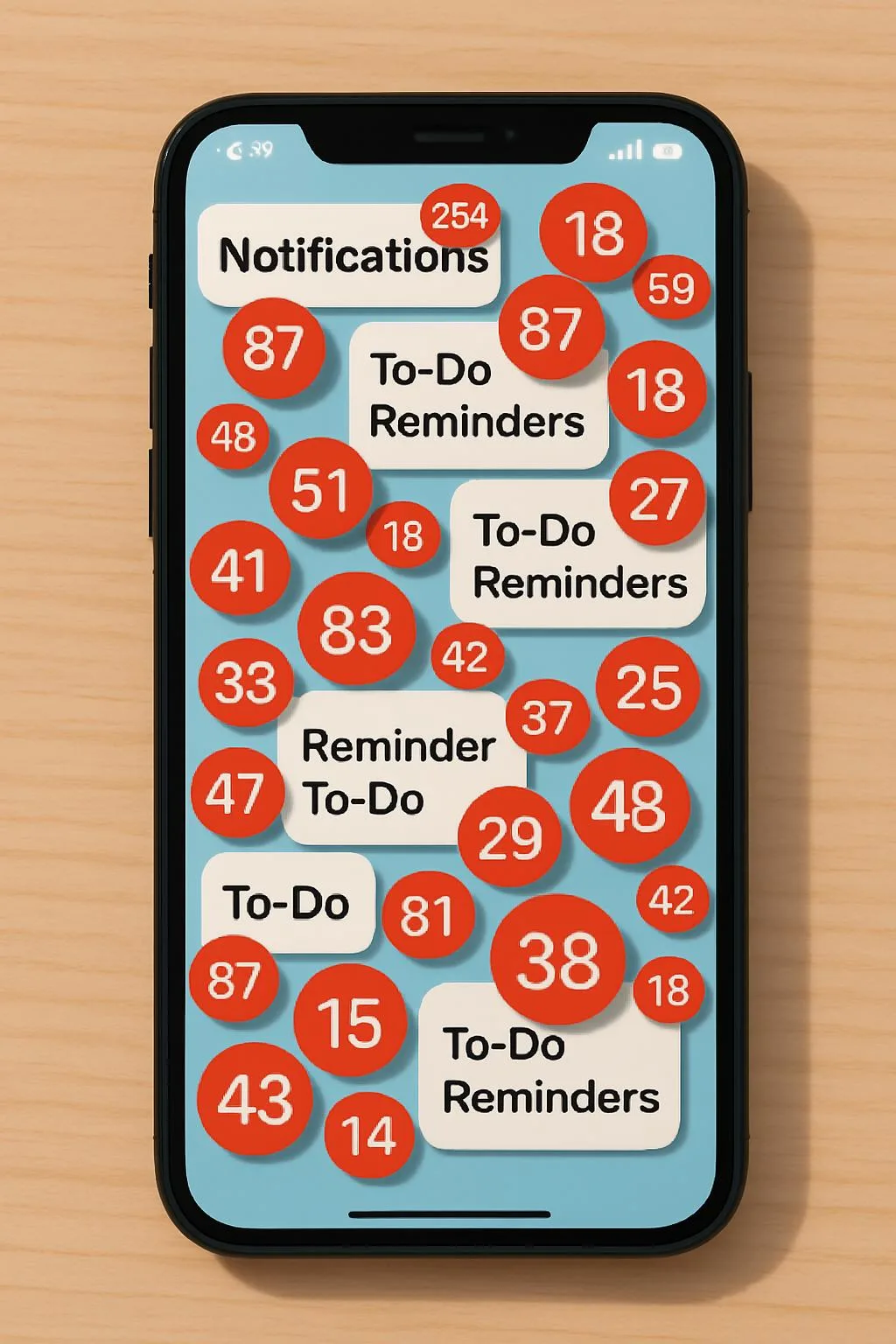
And attention is becoming one of the most valuable resources inside any business.
Every hour spent consuming information is an hour not spent making decisions.
Not spent talking to customers.
Not spent improving products.
Not spent solving actual business problems.
Most people don’t realize how expensive this becomes over time.
When Learning Starts Replacing Doing
One of the biggest traps in modern business is confusing learning with progress.
Reading about growth feels productive.
Listening to a business podcast feels productive.
Watching another AI tutorial feels productive.
Saving another marketing framework feels productive.
But none of these activities create results on their own.
Results come from implementation.
Results come from decisions.
Results come from execution.
There is a point where additional information stops helping and starts creating hesitation.
Because every new opinion introduces another possibility.
Every new strategy creates another path.
Every new expert creates another reason to question what you were already doing.
The outcome is predictable.
Businesses become informed.
But not decisive.
Why Many Businesses Have Accidentally Become Media Companies
A few years ago, most businesses focused on their products and services.
Today many businesses feel pressure to become publishers.
Post every day.
Create videos.
Build newsletters.
Comment on trends.
Share opinions.
Stay visible.
The expectation is constant.

Visibility has become part of the job.
The challenge is that content creation can slowly become a second business.
You are no longer just running a software company.
You are running a software company and a media company.
You are no longer just running a consulting business.
You are running a consulting business and a content business.
Neither approach is inherently wrong.
The problem starts when maintaining visibility begins consuming more energy than improving the actual thing being sold.
At that point, attention becomes the goal.
Instead of the tool.
The Difference Between Capturing Demand and Creating Demand
This is where many businesses get confused.
Most marketing advice focuses on capturing existing demand.
Finding people already looking.
Ranking for searches.
Following trends.
Joining conversations.
Those activities can absolutely create results.
But they are reactive by nature.
Creating demand is different.
Creating demand happens through:
- Positioning
- Reputation
- Trust
- Customer experience
- Clear differentiation
This work is slower.
Less visible.
Harder to measure.
Which is exactly why fewer businesses focus on it.
The irony is that these are often the activities that create the strongest long-term advantage.
A Practical Example
Imagine two agency owners.
The first spends hours every week studying competitors, reading industry content, following every platform update, and constantly changing direction based on what everyone else is discussing.
The second spends that same time speaking with clients, reviewing project outcomes, identifying recurring customer frustrations, and improving service delivery.
Who will understand their market better after twelve months?
Most people assume the first.
In reality, the second often develops deeper insight.
Because customers reveal opportunities that social media rarely does.
Experience creates understanding that information alone cannot provide.
The New Competitive Advantage
For years, business rewarded people who could find information.
Today everyone can find information.
AI can find it.
Search engines can find it.
Communities can find it.
The challenge is no longer access.
The challenge is judgment.
Knowing what deserves attention.
Knowing what deserves action.
Knowing what deserves to be ignored.

That skill is becoming increasingly valuable because information will continue to grow.
The noise will continue to grow.
The pressure to keep up will continue to grow.
But attention remains limited.
And how businesses choose to spend that attention will increasingly determine their success.
Escaping the Trap
The most successful founders aren’t the ones with the most tabs open.
They are the ones who filter aggressively.
To break free from the Attention Trap, stop asking “What else should I know?” and start asking “What can I stop paying attention to?”
Your business doesn’t need more information. It needs more clarity.
A Question Worth Thinking About
Most business owners spend time asking:
“What should I learn next?”
Perhaps a better question is:
“What should I stop paying attention to?”
Because in a world where everyone has access to the same tools, the same advice, and the same information, the businesses that move forward may not be the ones consuming the most.
They may simply be the ones focusing on what matters most.